Join 2,000+ Indianapolis investors and homebuyers getting our free resources. Get yours now.

Living in Carmel in 2026: Homes, Lifestyle, and What Buyers Should Know

Thinking about living in Carmel, Indiana in 2026? Explore home prices, schools, lifestyle, commute, and what buyers should know before moving.

Living in Carmel in 2026: What It’s Really Like (From a Local Perspective)

If you’ve been poking around Indy-area neighborhoods, Carmel always comes up. Top schools. Clean streets. Strong home values. A downtown that actually feels alive.

But in 2026, Carmel isn’t just a “nice suburb” anymore — it’s a full-on lifestyle choice, and one that comes with real tradeoffs buyers, sellers, and investors should understand before making a move.

Whether you’re relocating from out of state, upsizing from downtown Indy, or investing long-term, here’s the honest breakdown of living in Carmel in 2026 — homes, schools, commute, culture, and costs included.

Why Carmel Is Still One of Indy’s Most In-Demand Suburbs

Carmel sits just north of Indianapolis in Hamilton County, and it’s consistently ranked as one of the best places to live in Indiana.

Here’s why demand hasn’t slowed:

  • Highly rated public schools

  • Strong property value appreciation

  • Walkable downtown (yes, really)

  • Easy access to Indy job centers

  • Low crime and well-maintained infrastructure

In 2026, Carmel continues to attract:

  • Families prioritizing schools

  • Professionals working hybrid or remote

  • Downsizers who want convenience + safety

  • Investors looking for long-term stability

Carmel Home Prices in 2026: What Buyers Should Expect

Current pricing snapshot

As of early 2026, the median home price in Carmel is around $445,000, up roughly 4% year-over-year. That’s higher than the Indianapolis metro average — but not surprising given Carmel’s track record.

What stands out:

  • Price growth is steady, not explosive

  • Homes are holding value well

  • Overpricing gets punished quickly

What you get for the price

Compared to Indy proper, Carmel buyers are paying for:

  • Newer construction or well-maintained homes

  • Larger lots and garages

  • Top-tier schools baked into resale value

  • Neighborhood amenities (paths, parks, trails)

This isn’t the place for bargain hunting — it’s the place for predictability and long-term confidence.

Carmel Homes for Sale: Inventory & Competition

How competitive is the market?

In 2026:

  • Average days on market: 22–28 days

  • Multiple offers still happen — but not every listing

  • Inspection contingencies are common again

Well-priced homes in desirable school zones still move fast, but buyers no longer have to waive every protection to compete.

New builds vs established neighborhoods

Carmel offers a mix of:

  • Luxury new construction on the west side

  • Established neighborhoods near downtown

  • Townhomes and condos close to amenities

New builds come at a premium, while older homes often provide better value — especially if you’re open to cosmetic updates.

Carmel Schools: A Huge Driver of Demand

Let’s be honest — schools are a major reason people move to Carmel.

Carmel Clay Schools overview

Carmel Clay Schools consistently rank among the top public school districts in Indiana, with:

  • High graduation rates

  • Strong test performance

  • Robust arts and athletics programs

Because of this:

  • Homes in top school zones retain value

  • Demand stays strong even in slower markets

  • Buyers with kids are willing to stretch budgets

For sellers, schools are a major pricing anchor. For investors, they’re a long-term hedge.

Lifestyle in Carmel: More Than Just Suburban

Downtown Carmel (Arts & Design District)

Downtown Carmel feels nothing like a typical suburb:

  • Local restaurants and coffee shops

  • Boutique shopping

  • Events, festivals, and farmers markets

  • Walkability that surprises first-time visitors

If you want suburban comfort without giving up culture, Carmel delivers.

Parks, trails, and everyday living

Carmel is known for:

  • Extensive trail systems

  • Community parks

  • Clean, safe public spaces

It’s easy to stay active without driving 20 minutes just to get outside.

Commute to Downtown Indianapolis

One of Carmel’s biggest advantages is proximity.

Typical commute times

  • Downtown Indy: 25–30 minutes

  • Keystone / Northside offices: 15–20 minutes

  • Airport: 40 minutes

Carmel’s famous roundabouts keep traffic moving, even during peak hours.

For hybrid workers, this makes Carmel especially appealing — you get space without isolation.

Is Carmel a Good Place to Invest in 2026?

Short answer: yes, but with the right expectations.

What investors like about Carmel

  • Stable appreciation (not volatile)

  • Strong tenant pool (professionals, families)

  • Lower vacancy risk

What investors should watch out for

  • Higher entry prices

  • Lower cash flow compared to Indy neighborhoods

  • HOA rules in some communities

Carmel is more of a long-term equity play than a high-cash-flow rental market.

How Carmel Fits Into the 2026 Indy Market

Carmel doesn’t exist in a vacuum — it’s influenced by broader metro trends.

In 2026:

  • Buyers are more price-sensitive

  • Sellers must price correctly

  • Suburbs with strong schools outperform

This broader context is covered in detail here:
👉 https://rootsrealty.co/blog/indianapolis-market-forecast-2026-buyers

Carmel continues to outperform most areas because it checks boxes buyers consistently value.

Who Carmel Is (and Isn’t) Right For

Carmel is a great fit if you:

  • Prioritize schools and safety

  • Want long-term home value stability

  • Like suburban living with urban perks

  • Work north or hybrid/remote

Carmel may not be ideal if you:

  • Want the lowest possible entry price

  • Prefer dense, urban living

  • Are chasing high rental cash flow

There’s no “best” neighborhood — only the best fit for your goals.

For a broader comparison, this guide helps narrow things down:
👉 https://rootsrealty.co/blog/best-indianapolis-suburbs-for-families-2025

Q&A: Living in Carmel, Indiana (2026)

What’s the average home price in Carmel in 2026?

As of 2026, the median home price in Carmel is around $445,000, reflecting steady appreciation.

Are Carmel schools really that good?

Yes. Carmel Clay Schools consistently rank among the top districts in Indiana, driving long-term demand.

How far is Carmel from downtown Indianapolis?

Most commuters reach downtown Indy in 25–30 minutes, depending on traffic and location.

Is Carmel good for first-time buyers?

It can be, but buyers need realistic budgets. Many first-time buyers start with townhomes or condos.

Does Carmel hold value during slower markets?

Historically, yes. Strong schools and lifestyle demand help Carmel stay resilient.

Final Take: Is Carmel Worth It in 2026?

Carmel isn’t cheap — but it’s consistent.

In 2026, it remains one of the safest long-term plays in the Indianapolis metro for buyers who value schools, lifestyle, and stability. Whether you’re buying, selling, or investing, the key is understanding what you’re paying for — and why.

If you’re deciding whether Carmel fits your goals, or comparing it to other Indy-area neighborhoods, we’re happy to help you think it through.

Ready to explore your next move?
Connect with Roots Realty Co. and let’s find the neighborhood that actually fits your life.

👉 Buyer resources: https://rootsrealty.co/buy
👉 Seller resources: https://rootsrealty.co/sell
👉 Investor resources: https://rootsrealty.co/invest
Living in Carmel in 2026: What It’s Really Like (From a Local Perspective)

If you’ve been poking around Indy-area neighborhoods, Carmel always comes up. Top schools. Clean streets. Strong home values. A downtown that actually feels alive.

But in 2026, Carmel isn’t just a “nice suburb” anymore — it’s a full-on lifestyle choice, and one that comes with real tradeoffs buyers, sellers, and investors should understand before making a move.

Whether you’re relocating from out of state, upsizing from downtown Indy, or investing long-term, here’s the honest breakdown of living in Carmel in 2026 — homes, schools, commute, culture, and costs included.

Why Carmel Is Still One of Indy’s Most In-Demand Suburbs

Carmel sits just north of Indianapolis in Hamilton County, and it’s consistently ranked as one of the best places to live in Indiana.

Here’s why demand hasn’t slowed:

  • Highly rated public schools

  • Strong property value appreciation

  • Walkable downtown (yes, really)

  • Easy access to Indy job centers

  • Low crime and well-maintained infrastructure

In 2026, Carmel continues to attract:

  • Families prioritizing schools

  • Professionals working hybrid or remote

  • Downsizers who want convenience + safety

  • Investors looking for long-term stability

Carmel Home Prices in 2026: What Buyers Should Expect

Current pricing snapshot

As of early 2026, the median home price in Carmel is around $445,000, up roughly 4% year-over-year. That’s higher than the Indianapolis metro average — but not surprising given Carmel’s track record.

What stands out:

  • Price growth is steady, not explosive

  • Homes are holding value well

  • Overpricing gets punished quickly

What you get for the price

Compared to Indy proper, Carmel buyers are paying for:

  • Newer construction or well-maintained homes

  • Larger lots and garages

  • Top-tier schools baked into resale value

  • Neighborhood amenities (paths, parks, trails)

This isn’t the place for bargain hunting — it’s the place for predictability and long-term confidence.

Carmel Homes for Sale: Inventory & Competition

How competitive is the market?

In 2026:

  • Average days on market: 22–28 days

  • Multiple offers still happen — but not every listing

  • Inspection contingencies are common again

Well-priced homes in desirable school zones still move fast, but buyers no longer have to waive every protection to compete.

New builds vs established neighborhoods

Carmel offers a mix of:

  • Luxury new construction on the west side

  • Established neighborhoods near downtown

  • Townhomes and condos close to amenities

New builds come at a premium, while older homes often provide better value — especially if you’re open to cosmetic updates.

Carmel Schools: A Huge Driver of Demand

Let’s be honest — schools are a major reason people move to Carmel.

Carmel Clay Schools overview

Carmel Clay Schools consistently rank among the top public school districts in Indiana, with:

  • High graduation rates

  • Strong test performance

  • Robust arts and athletics programs

Because of this:

  • Homes in top school zones retain value

  • Demand stays strong even in slower markets

  • Buyers with kids are willing to stretch budgets

For sellers, schools are a major pricing anchor. For investors, they’re a long-term hedge.

Lifestyle in Carmel: More Than Just Suburban

Downtown Carmel (Arts & Design District)

Downtown Carmel feels nothing like a typical suburb:

  • Local restaurants and coffee shops

  • Boutique shopping

  • Events, festivals, and farmers markets

  • Walkability that surprises first-time visitors

If you want suburban comfort without giving up culture, Carmel delivers.

Parks, trails, and everyday living

Carmel is known for:

  • Extensive trail systems

  • Community parks

  • Clean, safe public spaces

It’s easy to stay active without driving 20 minutes just to get outside.

Commute to Downtown Indianapolis

One of Carmel’s biggest advantages is proximity.

Typical commute times

  • Downtown Indy: 25–30 minutes

  • Keystone / Northside offices: 15–20 minutes

  • Airport: 40 minutes

Carmel’s famous roundabouts keep traffic moving, even during peak hours.

For hybrid workers, this makes Carmel especially appealing — you get space without isolation.

Is Carmel a Good Place to Invest in 2026?

Short answer: yes, but with the right expectations.

What investors like about Carmel

  • Stable appreciation (not volatile)

  • Strong tenant pool (professionals, families)

  • Lower vacancy risk

What investors should watch out for

  • Higher entry prices

  • Lower cash flow compared to Indy neighborhoods

  • HOA rules in some communities

Carmel is more of a long-term equity play than a high-cash-flow rental market.

How Carmel Fits Into the 2026 Indy Market

Carmel doesn’t exist in a vacuum — it’s influenced by broader metro trends.

In 2026:

  • Buyers are more price-sensitive

  • Sellers must price correctly

  • Suburbs with strong schools outperform

This broader context is covered in detail here:
👉 https://rootsrealty.co/blog/indianapolis-market-forecast-2026-buyers

Carmel continues to outperform most areas because it checks boxes buyers consistently value.

Who Carmel Is (and Isn’t) Right For

Carmel is a great fit if you:

  • Prioritize schools and safety

  • Want long-term home value stability

  • Like suburban living with urban perks

  • Work north or hybrid/remote

Carmel may not be ideal if you:

  • Want the lowest possible entry price

  • Prefer dense, urban living

  • Are chasing high rental cash flow

There’s no “best” neighborhood — only the best fit for your goals.

For a broader comparison, this guide helps narrow things down:
👉 https://rootsrealty.co/blog/best-indianapolis-suburbs-for-families-2025

Q&A: Living in Carmel, Indiana (2026)

What’s the average home price in Carmel in 2026?

As of 2026, the median home price in Carmel is around $445,000, reflecting steady appreciation.

Are Carmel schools really that good?

Yes. Carmel Clay Schools consistently rank among the top districts in Indiana, driving long-term demand.

How far is Carmel from downtown Indianapolis?

Most commuters reach downtown Indy in 25–30 minutes, depending on traffic and location.

Is Carmel good for first-time buyers?

It can be, but buyers need realistic budgets. Many first-time buyers start with townhomes or condos.

Does Carmel hold value during slower markets?

Historically, yes. Strong schools and lifestyle demand help Carmel stay resilient.

Final Take: Is Carmel Worth It in 2026?

Carmel isn’t cheap — but it’s consistent.

In 2026, it remains one of the safest long-term plays in the Indianapolis metro for buyers who value schools, lifestyle, and stability. Whether you’re buying, selling, or investing, the key is understanding what you’re paying for — and why.

If you’re deciding whether Carmel fits your goals, or comparing it to other Indy-area neighborhoods, we’re happy to help you think it through.

Ready to explore your next move?
Connect with Roots Realty Co. and let’s find the neighborhood that actually fits your life.

👉 Buyer resources: https://rootsrealty.co/buy
👉 Seller resources: https://rootsrealty.co/sell
👉 Investor resources: https://rootsrealty.co/invest

Living in Carmel in 2026: What It’s Really Like (From a Local Perspective)

If you’ve been poking around Indy-area neighborhoods, Carmel always comes up. Top schools. Clean streets. Strong home values. A downtown that actually feels alive.

But in 2026, Carmel isn’t just a “nice suburb” anymore — it’s a full-on lifestyle choice, and one that comes with real tradeoffs buyers, sellers, and investors should understand before making a move.

Whether you’re relocating from out of state, upsizing from downtown Indy, or investing long-term, here’s the honest breakdown of living in Carmel in 2026 — homes, schools, commute, culture, and costs included.

Why Carmel Is Still One of Indy’s Most In-Demand Suburbs

Carmel sits just north of Indianapolis in Hamilton County, and it’s consistently ranked as one of the best places to live in Indiana.

Here’s why demand hasn’t slowed:

  • Highly rated public schools

  • Strong property value appreciation

  • Walkable downtown (yes, really)

  • Easy access to Indy job centers

  • Low crime and well-maintained infrastructure

In 2026, Carmel continues to attract:

  • Families prioritizing schools

  • Professionals working hybrid or remote

  • Downsizers who want convenience + safety

  • Investors looking for long-term stability

Carmel Home Prices in 2026: What Buyers Should Expect

Current pricing snapshot

As of early 2026, the median home price in Carmel is around $445,000, up roughly 4% year-over-year. That’s higher than the Indianapolis metro average — but not surprising given Carmel’s track record.

What stands out:

  • Price growth is steady, not explosive

  • Homes are holding value well

  • Overpricing gets punished quickly

What you get for the price

Compared to Indy proper, Carmel buyers are paying for:

  • Newer construction or well-maintained homes

  • Larger lots and garages

  • Top-tier schools baked into resale value

  • Neighborhood amenities (paths, parks, trails)

This isn’t the place for bargain hunting — it’s the place for predictability and long-term confidence.

Carmel Homes for Sale: Inventory & Competition

How competitive is the market?

In 2026:

  • Average days on market: 22–28 days

  • Multiple offers still happen — but not every listing

  • Inspection contingencies are common again

Well-priced homes in desirable school zones still move fast, but buyers no longer have to waive every protection to compete.

New builds vs established neighborhoods

Carmel offers a mix of:

  • Luxury new construction on the west side

  • Established neighborhoods near downtown

  • Townhomes and condos close to amenities

New builds come at a premium, while older homes often provide better value — especially if you’re open to cosmetic updates.

Carmel Schools: A Huge Driver of Demand

Let’s be honest — schools are a major reason people move to Carmel.

Carmel Clay Schools overview

Carmel Clay Schools consistently rank among the top public school districts in Indiana, with:

  • High graduation rates

  • Strong test performance

  • Robust arts and athletics programs

Because of this:

  • Homes in top school zones retain value

  • Demand stays strong even in slower markets

  • Buyers with kids are willing to stretch budgets

For sellers, schools are a major pricing anchor. For investors, they’re a long-term hedge.

Lifestyle in Carmel: More Than Just Suburban

Downtown Carmel (Arts & Design District)

Downtown Carmel feels nothing like a typical suburb:

  • Local restaurants and coffee shops

  • Boutique shopping

  • Events, festivals, and farmers markets

  • Walkability that surprises first-time visitors

If you want suburban comfort without giving up culture, Carmel delivers.

Parks, trails, and everyday living

Carmel is known for:

  • Extensive trail systems

  • Community parks

  • Clean, safe public spaces

It’s easy to stay active without driving 20 minutes just to get outside.

Commute to Downtown Indianapolis

One of Carmel’s biggest advantages is proximity.

Typical commute times

  • Downtown Indy: 25–30 minutes

  • Keystone / Northside offices: 15–20 minutes

  • Airport: 40 minutes

Carmel’s famous roundabouts keep traffic moving, even during peak hours.

For hybrid workers, this makes Carmel especially appealing — you get space without isolation.

Is Carmel a Good Place to Invest in 2026?

Short answer: yes, but with the right expectations.

What investors like about Carmel

  • Stable appreciation (not volatile)

  • Strong tenant pool (professionals, families)

  • Lower vacancy risk

What investors should watch out for

  • Higher entry prices

  • Lower cash flow compared to Indy neighborhoods

  • HOA rules in some communities

Carmel is more of a long-term equity play than a high-cash-flow rental market.

How Carmel Fits Into the 2026 Indy Market

Carmel doesn’t exist in a vacuum — it’s influenced by broader metro trends.

In 2026:

  • Buyers are more price-sensitive

  • Sellers must price correctly

  • Suburbs with strong schools outperform

This broader context is covered in detail here:
👉 https://rootsrealty.co/blog/indianapolis-market-forecast-2026-buyers

Carmel continues to outperform most areas because it checks boxes buyers consistently value.

Who Carmel Is (and Isn’t) Right For

Carmel is a great fit if you:

  • Prioritize schools and safety

  • Want long-term home value stability

  • Like suburban living with urban perks

  • Work north or hybrid/remote

Carmel may not be ideal if you:

  • Want the lowest possible entry price

  • Prefer dense, urban living

  • Are chasing high rental cash flow

There’s no “best” neighborhood — only the best fit for your goals.

For a broader comparison, this guide helps narrow things down:
👉 https://rootsrealty.co/blog/best-indianapolis-suburbs-for-families-2025

Q&A: Living in Carmel, Indiana (2026)

What’s the average home price in Carmel in 2026?

As of 2026, the median home price in Carmel is around $445,000, reflecting steady appreciation.

Are Carmel schools really that good?

Yes. Carmel Clay Schools consistently rank among the top districts in Indiana, driving long-term demand.

How far is Carmel from downtown Indianapolis?

Most commuters reach downtown Indy in 25–30 minutes, depending on traffic and location.

Is Carmel good for first-time buyers?

It can be, but buyers need realistic budgets. Many first-time buyers start with townhomes or condos.

Does Carmel hold value during slower markets?

Historically, yes. Strong schools and lifestyle demand help Carmel stay resilient.

Final Take: Is Carmel Worth It in 2026?

Carmel isn’t cheap — but it’s consistent.

In 2026, it remains one of the safest long-term plays in the Indianapolis metro for buyers who value schools, lifestyle, and stability. Whether you’re buying, selling, or investing, the key is understanding what you’re paying for — and why.

If you’re deciding whether Carmel fits your goals, or comparing it to other Indy-area neighborhoods, we’re happy to help you think it through.

Ready to explore your next move?
Connect with Roots Realty Co. and let’s find the neighborhood that actually fits your life.

👉 Buyer resources: https://rootsrealty.co/buy
👉 Seller resources: https://rootsrealty.co/sell
👉 Investor resources: https://rootsrealty.co/invest
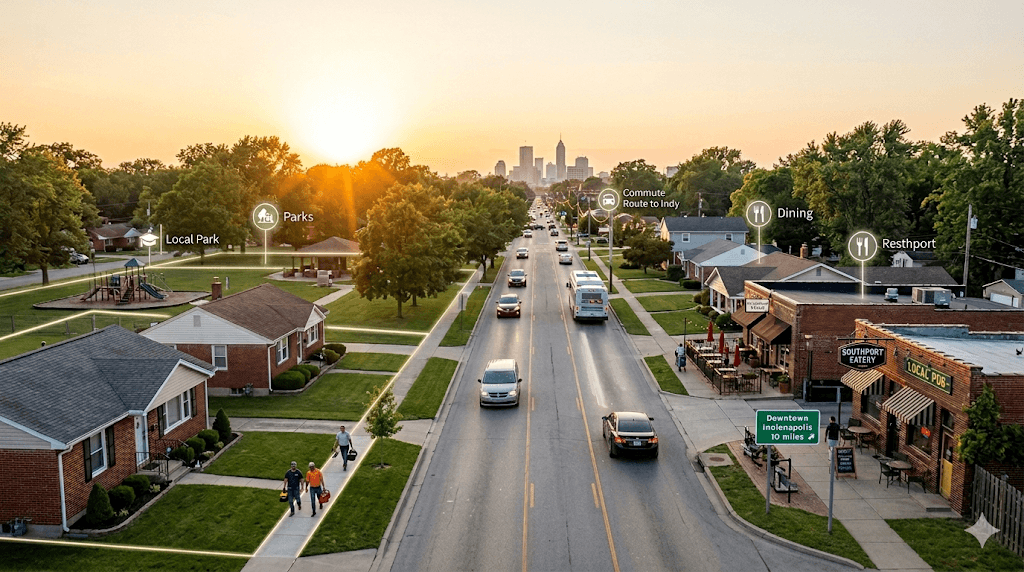
Living in Carmel in 2026: What It’s Really Like (From a Local Perspective)

If you’ve been poking around Indy-area neighborhoods, Carmel always comes up. Top schools. Clean streets. Strong home values. A downtown that actually feels alive.

But in 2026, Carmel isn’t just a “nice suburb” anymore — it’s a full-on lifestyle choice, and one that comes with real tradeoffs buyers, sellers, and investors should understand before making a move.

Whether you’re relocating from out of state, upsizing from downtown Indy, or investing long-term, here’s the honest breakdown of living in Carmel in 2026 — homes, schools, commute, culture, and costs included.

Why Carmel Is Still One of Indy’s Most In-Demand Suburbs

Carmel sits just north of Indianapolis in Hamilton County, and it’s consistently ranked as one of the best places to live in Indiana.

Here’s why demand hasn’t slowed:

  • Highly rated public schools

  • Strong property value appreciation

  • Walkable downtown (yes, really)

  • Easy access to Indy job centers

  • Low crime and well-maintained infrastructure

In 2026, Carmel continues to attract:

  • Families prioritizing schools

  • Professionals working hybrid or remote

  • Downsizers who want convenience + safety

  • Investors looking for long-term stability

Carmel Home Prices in 2026: What Buyers Should Expect

Current pricing snapshot

As of early 2026, the median home price in Carmel is around $445,000, up roughly 4% year-over-year. That’s higher than the Indianapolis metro average — but not surprising given Carmel’s track record.

What stands out:

  • Price growth is steady, not explosive

  • Homes are holding value well

  • Overpricing gets punished quickly

What you get for the price

Compared to Indy proper, Carmel buyers are paying for:

  • Newer construction or well-maintained homes

  • Larger lots and garages

  • Top-tier schools baked into resale value

  • Neighborhood amenities (paths, parks, trails)

This isn’t the place for bargain hunting — it’s the place for predictability and long-term confidence.

Carmel Homes for Sale: Inventory & Competition

How competitive is the market?

In 2026:

  • Average days on market: 22–28 days

  • Multiple offers still happen — but not every listing

  • Inspection contingencies are common again

Well-priced homes in desirable school zones still move fast, but buyers no longer have to waive every protection to compete.

New builds vs established neighborhoods

Carmel offers a mix of:

  • Luxury new construction on the west side

  • Established neighborhoods near downtown

  • Townhomes and condos close to amenities

New builds come at a premium, while older homes often provide better value — especially if you’re open to cosmetic updates.

Carmel Schools: A Huge Driver of Demand

Let’s be honest — schools are a major reason people move to Carmel.

Carmel Clay Schools overview

Carmel Clay Schools consistently rank among the top public school districts in Indiana, with:

  • High graduation rates

  • Strong test performance

  • Robust arts and athletics programs

Because of this:

  • Homes in top school zones retain value

  • Demand stays strong even in slower markets

  • Buyers with kids are willing to stretch budgets

For sellers, schools are a major pricing anchor. For investors, they’re a long-term hedge.

Lifestyle in Carmel: More Than Just Suburban

Downtown Carmel (Arts & Design District)

Downtown Carmel feels nothing like a typical suburb:

  • Local restaurants and coffee shops

  • Boutique shopping

  • Events, festivals, and farmers markets

  • Walkability that surprises first-time visitors

If you want suburban comfort without giving up culture, Carmel delivers.

Parks, trails, and everyday living

Carmel is known for:

  • Extensive trail systems

  • Community parks

  • Clean, safe public spaces

It’s easy to stay active without driving 20 minutes just to get outside.

Commute to Downtown Indianapolis

One of Carmel’s biggest advantages is proximity.

Typical commute times

  • Downtown Indy: 25–30 minutes

  • Keystone / Northside offices: 15–20 minutes

  • Airport: 40 minutes

Carmel’s famous roundabouts keep traffic moving, even during peak hours.

For hybrid workers, this makes Carmel especially appealing — you get space without isolation.

Is Carmel a Good Place to Invest in 2026?

Short answer: yes, but with the right expectations.

What investors like about Carmel

  • Stable appreciation (not volatile)

  • Strong tenant pool (professionals, families)

  • Lower vacancy risk

What investors should watch out for

  • Higher entry prices

  • Lower cash flow compared to Indy neighborhoods

  • HOA rules in some communities

Carmel is more of a long-term equity play than a high-cash-flow rental market.

How Carmel Fits Into the 2026 Indy Market

Carmel doesn’t exist in a vacuum — it’s influenced by broader metro trends.

In 2026:

  • Buyers are more price-sensitive

  • Sellers must price correctly

  • Suburbs with strong schools outperform

This broader context is covered in detail here:
👉 https://rootsrealty.co/blog/indianapolis-market-forecast-2026-buyers

Carmel continues to outperform most areas because it checks boxes buyers consistently value.

Who Carmel Is (and Isn’t) Right For

Carmel is a great fit if you:

  • Prioritize schools and safety

  • Want long-term home value stability

  • Like suburban living with urban perks

  • Work north or hybrid/remote

Carmel may not be ideal if you:

  • Want the lowest possible entry price

  • Prefer dense, urban living

  • Are chasing high rental cash flow

There’s no “best” neighborhood — only the best fit for your goals.

For a broader comparison, this guide helps narrow things down:
👉 https://rootsrealty.co/blog/best-indianapolis-suburbs-for-families-2025

Q&A: Living in Carmel, Indiana (2026)

What’s the average home price in Carmel in 2026?

As of 2026, the median home price in Carmel is around $445,000, reflecting steady appreciation.

Are Carmel schools really that good?

Yes. Carmel Clay Schools consistently rank among the top districts in Indiana, driving long-term demand.

How far is Carmel from downtown Indianapolis?

Most commuters reach downtown Indy in 25–30 minutes, depending on traffic and location.

Is Carmel good for first-time buyers?

It can be, but buyers need realistic budgets. Many first-time buyers start with townhomes or condos.

Does Carmel hold value during slower markets?

Historically, yes. Strong schools and lifestyle demand help Carmel stay resilient.

Final Take: Is Carmel Worth It in 2026?

Carmel isn’t cheap — but it’s consistent.

In 2026, it remains one of the safest long-term plays in the Indianapolis metro for buyers who value schools, lifestyle, and stability. Whether you’re buying, selling, or investing, the key is understanding what you’re paying for — and why.

If you’re deciding whether Carmel fits your goals, or comparing it to other Indy-area neighborhoods, we’re happy to help you think it through.

Ready to explore your next move?
Connect with Roots Realty Co. and let’s find the neighborhood that actually fits your life.

👉 Buyer resources: https://rootsrealty.co/buy
👉 Seller resources: https://rootsrealty.co/sell
👉 Investor resources: https://rootsrealty.co/invest
Roots Realty newsletter

Be the first to know about off-market listings and smart buying tips.

Free. Indy-focused insights for first-time and savvy buyers — straight to your inbox.

Roots Realty newsletter

Be the first to know about off-market listings and smart buying tips.

Free. Indy-focused insights for first-time and savvy buyers — straight to your inbox.

Roots Realty newsletter

Be the first to know about off-market listings and smart buying tips.

Free. Indy-focused insights for first-time and savvy buyers — straight to your inbox.

Roots Realty newsletter

Be the first to know about off-market listings and smart buying tips.

Free. Indy-focused insights for first-time and savvy buyers — straight to your inbox.

Free resources

Get our free buyer tools and start your Indy home journey right.

Blueprints, checklists, and local insights built for first-time and smart buyers.

Free resources

Get our free buyer tools and start your Indy home journey right.

Blueprints, checklists, and local insights built for first-time and smart buyers.

Free resources

Get our free buyer tools and start your Indy home journey right.

Blueprints, checklists, and local insights built for first-time and smart buyers.

Free resources

Get our free buyer tools and start your Indy home journey right.

Blueprints, checklists, and local insights built for first-time and smart buyers.

A podcast for Indy homebuyers, sellers, and investors.

Real conversations, practical insights, and clear strategies from Roots agents who invest right alongside you—helping you make smarter real estate moves in Indianapolis.

Buy Home - Realtor X Framer Template
Home For Sale - Realtor X Framer Template

A podcast for Indy homebuyers, sellers, and investors.

Real conversations, practical insights, and clear strategies from Roots agents who invest right alongside you—helping you make smarter real estate moves in Indianapolis.

Buy Home - Realtor X Framer Template
Home For Sale - Realtor X Framer Template

A podcast for Indy homebuyers, sellers, and investors.

Real conversations, practical insights, and clear strategies from Roots agents who invest right alongside you—helping you make smarter real estate moves in Indianapolis.

Buy Home - Realtor X Framer Template
Home For Sale - Realtor X Framer Template

A podcast for Indy homebuyers, sellers, and investors.

Real conversations, practical insights, and clear strategies from Roots agents who invest right alongside you—helping you make smarter real estate moves in Indianapolis.

Buy Home - Realtor X Framer Template
Home For Sale - Realtor X Framer Template