If you’ve been touring homes north of Indy lately, you’ve probably heard someone say:
“Zionsville just feels different.”
And honestly? They’re not wrong.
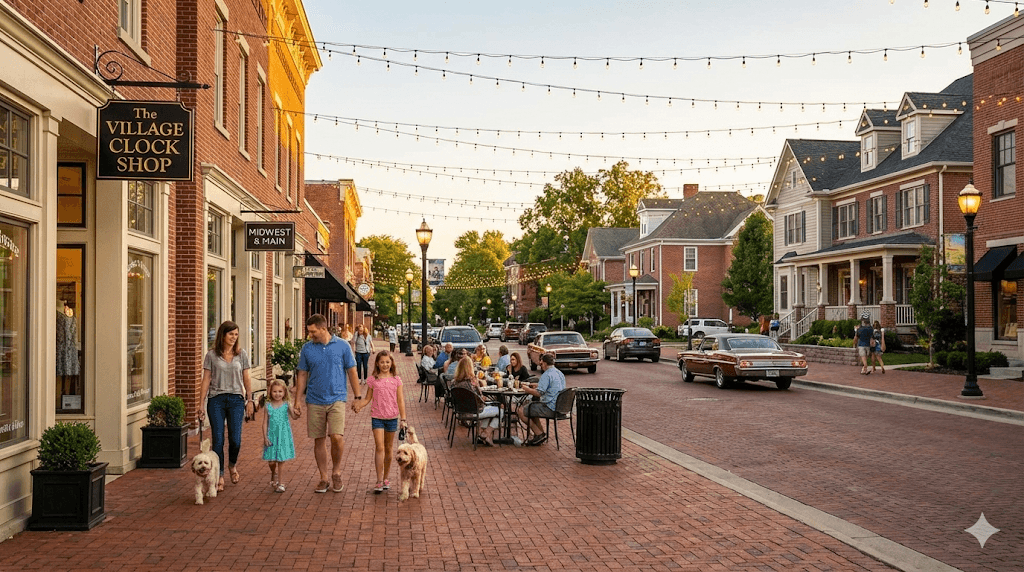
From the brick-paved Main Street to top-rated schools and luxury custom homes tucked into wooded neighborhoods, Zionsville homes 2026 are drawing serious attention from buyers, sellers, and investors alike.
So whether you’re relocating, upgrading, downsizing, or analyzing long-term ROI, let’s break down what living in Zionsville in 2026 actually looks like.
Zionsville Homes 2026: What the Market Looks Like Right Now
Zionsville isn’t the “budget-friendly” suburb. It’s the polished, long-game suburb.
As of early 2026:
Median home prices in Zionsville are sitting around the low-to-mid $600,000s.
Luxury inventory above $1M continues to expand.
Appreciation has averaged roughly 4–6% annually over the past few years.
Compared to the Indianapolis metro median (mid-$260,000s), Zionsville commands a premium — and that premium is largely driven by schools, lifestyle, and long-term stability.
If you’re browsing Zionsville homes for sale, expect:
Established Neighborhoods with Character
Mature trees, custom homes, larger lots.
New Construction Communities
Modern layouts, higher price points, HOA amenities.
Luxury Estates
Private drives, wooded acreage, high-end finishes.
It’s less “starter-home hustle” and more “move-up and stay awhile.”
Zionsville Schools: A Major Driver of Property Values
Let’s address the elephant in the room: schools.
Zionsville Community Schools consistently rank among the top districts in Indiana. That reputation significantly impacts demand — and home prices.
Buyers aren’t just paying for square footage. They’re paying for district boundaries.
We dive deeper into this dynamic in our full breakdown here:
https://rootsrealty.co/blog/indianapolis-school-districts-home-prices
The short version? Strong school districts create:
Higher resale stability
More competitive offers
Stronger long-term appreciation
Even buyers without kids often prioritize Zionsville schools because they know future buyers will.
For sellers, this creates leverage.
For investors, it means vacancy risk is typically lower — especially for well-maintained single-family rentals.
Commute from Zionsville to Indianapolis
One common question we hear:
“Is Zionsville too far from downtown?”
It depends on your lifestyle.
Drive Time to Downtown Indianapolis
Typically 25–35 minutes depending on traffic.
Access to Major Highways
Quick access to I-65 and I-465 makes commuting manageable.
Remote & Hybrid Work Trend
In 2026, many buyers are hybrid — making the commute less frequent.
If you’re relocating and trying to compare neighborhoods, we recommend reading our broader relocation guide here:
https://rootsrealty.co/blog/relocating-to-indianapolis-neighborhoods-2025
Zionsville appeals most to buyers who want:
Suburban quiet
Strong schools
High-end housing stock
Easy but not daily downtown access
Lifestyle in Zionsville: What You’re Actually Paying For
Let’s talk vibe.
Zionsville isn’t just houses — it’s lifestyle.
Brick Main Street Charm
Locally owned boutiques, coffee shops, restaurants.
Parks & Trails
Access to the Big-4 Rail Trail and nature preserves.
Community Events
Farmers markets, seasonal festivals, holiday strolls.
It feels curated — in a good way.
Compared to faster-growing suburbs like Fishers or Westfield, Zionsville maintains a smaller-town atmosphere with higher price points.
That combination attracts buyers looking for stability over flash.
Zionsville Property Values: What Buyers and Investors Should Know
Now let’s shift into numbers and strategy.
Zionsville property values have historically been resilient, even during broader market slowdowns.
Why?
Limited Inventory
Zionsville doesn’t sprawl infinitely. Land constraints support pricing.
High Household Income Demographic
Stronger buyer pool, stronger purchasing power.
Long-Term Residents
Lower turnover compared to entry-level markets.
For investors, though, this is not typically a cash-flow-heavy market.
Rental rates are strong, but purchase prices are high. Cap rates are tighter than in parts of Indianapolis proper.
Zionsville works better for:
Long-term appreciation plays
Executive rentals
Portfolio stability
If you’re analyzing suburban investing trends for 2026, our podcast episode breaks down migration patterns and what’s driving demand:
https://rootsrealty.co/podcast/the-real-reason-people-are-moving-to-indianapolis
Understanding why people are moving helps you anticipate where value holds.
Who Should Consider Living in Zionsville in 2026?
Let’s be clear — Zionsville isn’t for everyone.
Ideal For:
Move-up buyers with equity
Families prioritizing schools
Professionals working hybrid
Buyers planning 5–10 year stays
Maybe Not Ideal For:
Entry-level buyers with tight budgets
Short-term flippers
Cash-flow-focused investors
It’s a long-term wealth preservation play more than a quick upside swing.
Sellers in Zionsville: 2026 Strategy
If you’re selling in Zionsville in 2026, presentation matters.
Buyers here expect:
Updated kitchens and bathrooms
Strong curb appeal
Clean inspection reports
Overpricing can stall even premium listings. Strategic pricing aligned with recent comps is key.
Luxury inventory is more sensitive to rate shifts — but well-prepared homes still move.
Comparing Zionsville to Other Indy Suburbs
When buyers tour Zionsville, they’re often also considering:
Carmel
Fishers
Westfield
Zionsville typically offers:
Larger lots
More wooded areas
Less commercial density
Higher average price point
It feels quieter and more established.
If you’re trying to figure out “Where do I fit?” our neighborhood fit checklist is a helpful next step:
https://rootsrealty.co/blog/relocating-to-indianapolis-neighborhoods-2025
Choosing the right suburb isn’t about hype — it’s about alignment with your lifestyle and financial plan.
Final Thoughts: Is Zionsville Right for You in 2026?
Living in Zionsville in 2026 means choosing stability, schools, and long-term value.
You’re paying more upfront.
But you’re buying into:
Strong district-driven demand
Consistent appreciation patterns
A curated, charming suburban lifestyle
Whether you’re buying, selling, or investing, the key is strategy — not just emotion.
If you’re actively browsing Zionsville homes 2026 and want help analyzing a specific property, neighborhood pocket, or pricing strategy, we’d love to walk through it with you.
Ready to explore Indy’s real estate opportunities?
Reach out to Roots Realty Co. and let’s start your journey.
If you’ve been touring homes north of Indy lately, you’ve probably heard someone say:
“Zionsville just feels different.”
And honestly? They’re not wrong.
From the brick-paved Main Street to top-rated schools and luxury custom homes tucked into wooded neighborhoods, Zionsville homes 2026 are drawing serious attention from buyers, sellers, and investors alike.
So whether you’re relocating, upgrading, downsizing, or analyzing long-term ROI, let’s break down what living in Zionsville in 2026 actually looks like.
Zionsville Homes 2026: What the Market Looks Like Right Now
Zionsville isn’t the “budget-friendly” suburb. It’s the polished, long-game suburb.
As of early 2026:
Median home prices in Zionsville are sitting around the low-to-mid $600,000s.
Luxury inventory above $1M continues to expand.
Appreciation has averaged roughly 4–6% annually over the past few years.
Compared to the Indianapolis metro median (mid-$260,000s), Zionsville commands a premium — and that premium is largely driven by schools, lifestyle, and long-term stability.
If you’re browsing Zionsville homes for sale, expect:
Established Neighborhoods with Character
Mature trees, custom homes, larger lots.
New Construction Communities
Modern layouts, higher price points, HOA amenities.
Luxury Estates
Private drives, wooded acreage, high-end finishes.
It’s less “starter-home hustle” and more “move-up and stay awhile.”
Zionsville Schools: A Major Driver of Property Values
Let’s address the elephant in the room: schools.
Zionsville Community Schools consistently rank among the top districts in Indiana. That reputation significantly impacts demand — and home prices.
Buyers aren’t just paying for square footage. They’re paying for district boundaries.
We dive deeper into this dynamic in our full breakdown here:
https://rootsrealty.co/blog/indianapolis-school-districts-home-prices
The short version? Strong school districts create:
Higher resale stability
More competitive offers
Stronger long-term appreciation
Even buyers without kids often prioritize Zionsville schools because they know future buyers will.
For sellers, this creates leverage.
For investors, it means vacancy risk is typically lower — especially for well-maintained single-family rentals.
Commute from Zionsville to Indianapolis
One common question we hear:
“Is Zionsville too far from downtown?”
It depends on your lifestyle.
Drive Time to Downtown Indianapolis
Typically 25–35 minutes depending on traffic.
Access to Major Highways
Quick access to I-65 and I-465 makes commuting manageable.
Remote & Hybrid Work Trend
In 2026, many buyers are hybrid — making the commute less frequent.
If you’re relocating and trying to compare neighborhoods, we recommend reading our broader relocation guide here:
https://rootsrealty.co/blog/relocating-to-indianapolis-neighborhoods-2025
Zionsville appeals most to buyers who want:
Suburban quiet
Strong schools
High-end housing stock
Easy but not daily downtown access
Lifestyle in Zionsville: What You’re Actually Paying For
Let’s talk vibe.
Zionsville isn’t just houses — it’s lifestyle.
Brick Main Street Charm
Locally owned boutiques, coffee shops, restaurants.
Parks & Trails
Access to the Big-4 Rail Trail and nature preserves.
Community Events
Farmers markets, seasonal festivals, holiday strolls.
It feels curated — in a good way.
Compared to faster-growing suburbs like Fishers or Westfield, Zionsville maintains a smaller-town atmosphere with higher price points.
That combination attracts buyers looking for stability over flash.
Zionsville Property Values: What Buyers and Investors Should Know
Now let’s shift into numbers and strategy.
Zionsville property values have historically been resilient, even during broader market slowdowns.
Why?
Limited Inventory
Zionsville doesn’t sprawl infinitely. Land constraints support pricing.
High Household Income Demographic
Stronger buyer pool, stronger purchasing power.
Long-Term Residents
Lower turnover compared to entry-level markets.
For investors, though, this is not typically a cash-flow-heavy market.
Rental rates are strong, but purchase prices are high. Cap rates are tighter than in parts of Indianapolis proper.
Zionsville works better for:
Long-term appreciation plays
Executive rentals
Portfolio stability
If you’re analyzing suburban investing trends for 2026, our podcast episode breaks down migration patterns and what’s driving demand:
https://rootsrealty.co/podcast/the-real-reason-people-are-moving-to-indianapolis
Understanding why people are moving helps you anticipate where value holds.
Who Should Consider Living in Zionsville in 2026?
Let’s be clear — Zionsville isn’t for everyone.
Ideal For:
Move-up buyers with equity
Families prioritizing schools
Professionals working hybrid
Buyers planning 5–10 year stays
Maybe Not Ideal For:
Entry-level buyers with tight budgets
Short-term flippers
Cash-flow-focused investors
It’s a long-term wealth preservation play more than a quick upside swing.
Sellers in Zionsville: 2026 Strategy
If you’re selling in Zionsville in 2026, presentation matters.
Buyers here expect:
Updated kitchens and bathrooms
Strong curb appeal
Clean inspection reports
Overpricing can stall even premium listings. Strategic pricing aligned with recent comps is key.
Luxury inventory is more sensitive to rate shifts — but well-prepared homes still move.
Comparing Zionsville to Other Indy Suburbs
When buyers tour Zionsville, they’re often also considering:
Carmel
Fishers
Westfield
Zionsville typically offers:
Larger lots
More wooded areas
Less commercial density
Higher average price point
It feels quieter and more established.
If you’re trying to figure out “Where do I fit?” our neighborhood fit checklist is a helpful next step:
https://rootsrealty.co/blog/relocating-to-indianapolis-neighborhoods-2025
Choosing the right suburb isn’t about hype — it’s about alignment with your lifestyle and financial plan.
Final Thoughts: Is Zionsville Right for You in 2026?
Living in Zionsville in 2026 means choosing stability, schools, and long-term value.
You’re paying more upfront.
But you’re buying into:
Strong district-driven demand
Consistent appreciation patterns
A curated, charming suburban lifestyle
Whether you’re buying, selling, or investing, the key is strategy — not just emotion.
If you’re actively browsing Zionsville homes 2026 and want help analyzing a specific property, neighborhood pocket, or pricing strategy, we’d love to walk through it with you.
Ready to explore Indy’s real estate opportunities?
Reach out to Roots Realty Co. and let’s start your journey.
If you’ve been touring homes north of Indy lately, you’ve probably heard someone say:
“Zionsville just feels different.”
And honestly? They’re not wrong.
From the brick-paved Main Street to top-rated schools and luxury custom homes tucked into wooded neighborhoods, Zionsville homes 2026 are drawing serious attention from buyers, sellers, and investors alike.
So whether you’re relocating, upgrading, downsizing, or analyzing long-term ROI, let’s break down what living in Zionsville in 2026 actually looks like.
Zionsville Homes 2026: What the Market Looks Like Right Now
Zionsville isn’t the “budget-friendly” suburb. It’s the polished, long-game suburb.
As of early 2026:
Median home prices in Zionsville are sitting around the low-to-mid $600,000s.
Luxury inventory above $1M continues to expand.
Appreciation has averaged roughly 4–6% annually over the past few years.
Compared to the Indianapolis metro median (mid-$260,000s), Zionsville commands a premium — and that premium is largely driven by schools, lifestyle, and long-term stability.
If you’re browsing Zionsville homes for sale, expect:
Established Neighborhoods with Character
Mature trees, custom homes, larger lots.
New Construction Communities
Modern layouts, higher price points, HOA amenities.
Luxury Estates
Private drives, wooded acreage, high-end finishes.
It’s less “starter-home hustle” and more “move-up and stay awhile.”
Zionsville Schools: A Major Driver of Property Values
Let’s address the elephant in the room: schools.
Zionsville Community Schools consistently rank among the top districts in Indiana. That reputation significantly impacts demand — and home prices.
Buyers aren’t just paying for square footage. They’re paying for district boundaries.
We dive deeper into this dynamic in our full breakdown here:
https://rootsrealty.co/blog/indianapolis-school-districts-home-prices
The short version? Strong school districts create:
Higher resale stability
More competitive offers
Stronger long-term appreciation
Even buyers without kids often prioritize Zionsville schools because they know future buyers will.
For sellers, this creates leverage.
For investors, it means vacancy risk is typically lower — especially for well-maintained single-family rentals.
Commute from Zionsville to Indianapolis
One common question we hear:
“Is Zionsville too far from downtown?”
It depends on your lifestyle.
Drive Time to Downtown Indianapolis
Typically 25–35 minutes depending on traffic.
Access to Major Highways
Quick access to I-65 and I-465 makes commuting manageable.
Remote & Hybrid Work Trend
In 2026, many buyers are hybrid — making the commute less frequent.
If you’re relocating and trying to compare neighborhoods, we recommend reading our broader relocation guide here:
https://rootsrealty.co/blog/relocating-to-indianapolis-neighborhoods-2025
Zionsville appeals most to buyers who want:
Suburban quiet
Strong schools
High-end housing stock
Easy but not daily downtown access
Lifestyle in Zionsville: What You’re Actually Paying For
Let’s talk vibe.
Zionsville isn’t just houses — it’s lifestyle.
Brick Main Street Charm
Locally owned boutiques, coffee shops, restaurants.
Parks & Trails
Access to the Big-4 Rail Trail and nature preserves.
Community Events
Farmers markets, seasonal festivals, holiday strolls.
It feels curated — in a good way.
Compared to faster-growing suburbs like Fishers or Westfield, Zionsville maintains a smaller-town atmosphere with higher price points.
That combination attracts buyers looking for stability over flash.
Zionsville Property Values: What Buyers and Investors Should Know
Now let’s shift into numbers and strategy.
Zionsville property values have historically been resilient, even during broader market slowdowns.
Why?
Limited Inventory
Zionsville doesn’t sprawl infinitely. Land constraints support pricing.
High Household Income Demographic
Stronger buyer pool, stronger purchasing power.
Long-Term Residents
Lower turnover compared to entry-level markets.
For investors, though, this is not typically a cash-flow-heavy market.
Rental rates are strong, but purchase prices are high. Cap rates are tighter than in parts of Indianapolis proper.
Zionsville works better for:
Long-term appreciation plays
Executive rentals
Portfolio stability
If you’re analyzing suburban investing trends for 2026, our podcast episode breaks down migration patterns and what’s driving demand:
https://rootsrealty.co/podcast/the-real-reason-people-are-moving-to-indianapolis
Understanding why people are moving helps you anticipate where value holds.
Who Should Consider Living in Zionsville in 2026?
Let’s be clear — Zionsville isn’t for everyone.
Ideal For:
Move-up buyers with equity
Families prioritizing schools
Professionals working hybrid
Buyers planning 5–10 year stays
Maybe Not Ideal For:
Entry-level buyers with tight budgets
Short-term flippers
Cash-flow-focused investors
It’s a long-term wealth preservation play more than a quick upside swing.
Sellers in Zionsville: 2026 Strategy
If you’re selling in Zionsville in 2026, presentation matters.
Buyers here expect:
Updated kitchens and bathrooms
Strong curb appeal
Clean inspection reports
Overpricing can stall even premium listings. Strategic pricing aligned with recent comps is key.
Luxury inventory is more sensitive to rate shifts — but well-prepared homes still move.
Comparing Zionsville to Other Indy Suburbs
When buyers tour Zionsville, they’re often also considering:
Carmel
Fishers
Westfield
Zionsville typically offers:
Larger lots
More wooded areas
Less commercial density
Higher average price point
It feels quieter and more established.
If you’re trying to figure out “Where do I fit?” our neighborhood fit checklist is a helpful next step:
https://rootsrealty.co/blog/relocating-to-indianapolis-neighborhoods-2025
Choosing the right suburb isn’t about hype — it’s about alignment with your lifestyle and financial plan.
Final Thoughts: Is Zionsville Right for You in 2026?
Living in Zionsville in 2026 means choosing stability, schools, and long-term value.
You’re paying more upfront.
But you’re buying into:
Strong district-driven demand
Consistent appreciation patterns
A curated, charming suburban lifestyle
Whether you’re buying, selling, or investing, the key is strategy — not just emotion.
If you’re actively browsing Zionsville homes 2026 and want help analyzing a specific property, neighborhood pocket, or pricing strategy, we’d love to walk through it with you.
Ready to explore Indy’s real estate opportunities?
Reach out to Roots Realty Co. and let’s start your journey.
If you’ve been touring homes north of Indy lately, you’ve probably heard someone say:
“Zionsville just feels different.”
And honestly? They’re not wrong.
From the brick-paved Main Street to top-rated schools and luxury custom homes tucked into wooded neighborhoods, Zionsville homes 2026 are drawing serious attention from buyers, sellers, and investors alike.
So whether you’re relocating, upgrading, downsizing, or analyzing long-term ROI, let’s break down what living in Zionsville in 2026 actually looks like.
Zionsville Homes 2026: What the Market Looks Like Right Now
Zionsville isn’t the “budget-friendly” suburb. It’s the polished, long-game suburb.
As of early 2026:
Median home prices in Zionsville are sitting around the low-to-mid $600,000s.
Luxury inventory above $1M continues to expand.
Appreciation has averaged roughly 4–6% annually over the past few years.
Compared to the Indianapolis metro median (mid-$260,000s), Zionsville commands a premium — and that premium is largely driven by schools, lifestyle, and long-term stability.
If you’re browsing Zionsville homes for sale, expect:
Established Neighborhoods with Character
Mature trees, custom homes, larger lots.
New Construction Communities
Modern layouts, higher price points, HOA amenities.
Luxury Estates
Private drives, wooded acreage, high-end finishes.
It’s less “starter-home hustle” and more “move-up and stay awhile.”
Zionsville Schools: A Major Driver of Property Values
Let’s address the elephant in the room: schools.
Zionsville Community Schools consistently rank among the top districts in Indiana. That reputation significantly impacts demand — and home prices.
Buyers aren’t just paying for square footage. They’re paying for district boundaries.
We dive deeper into this dynamic in our full breakdown here:
https://rootsrealty.co/blog/indianapolis-school-districts-home-prices
The short version? Strong school districts create:
Higher resale stability
More competitive offers
Stronger long-term appreciation
Even buyers without kids often prioritize Zionsville schools because they know future buyers will.
For sellers, this creates leverage.
For investors, it means vacancy risk is typically lower — especially for well-maintained single-family rentals.
Commute from Zionsville to Indianapolis
One common question we hear:
“Is Zionsville too far from downtown?”
It depends on your lifestyle.
Drive Time to Downtown Indianapolis
Typically 25–35 minutes depending on traffic.
Access to Major Highways
Quick access to I-65 and I-465 makes commuting manageable.
Remote & Hybrid Work Trend
In 2026, many buyers are hybrid — making the commute less frequent.
If you’re relocating and trying to compare neighborhoods, we recommend reading our broader relocation guide here:
https://rootsrealty.co/blog/relocating-to-indianapolis-neighborhoods-2025
Zionsville appeals most to buyers who want:
Suburban quiet
Strong schools
High-end housing stock
Easy but not daily downtown access
Lifestyle in Zionsville: What You’re Actually Paying For
Let’s talk vibe.
Zionsville isn’t just houses — it’s lifestyle.
Brick Main Street Charm
Locally owned boutiques, coffee shops, restaurants.
Parks & Trails
Access to the Big-4 Rail Trail and nature preserves.
Community Events
Farmers markets, seasonal festivals, holiday strolls.
It feels curated — in a good way.
Compared to faster-growing suburbs like Fishers or Westfield, Zionsville maintains a smaller-town atmosphere with higher price points.
That combination attracts buyers looking for stability over flash.
Zionsville Property Values: What Buyers and Investors Should Know
Now let’s shift into numbers and strategy.
Zionsville property values have historically been resilient, even during broader market slowdowns.
Why?
Limited Inventory
Zionsville doesn’t sprawl infinitely. Land constraints support pricing.
High Household Income Demographic
Stronger buyer pool, stronger purchasing power.
Long-Term Residents
Lower turnover compared to entry-level markets.
For investors, though, this is not typically a cash-flow-heavy market.
Rental rates are strong, but purchase prices are high. Cap rates are tighter than in parts of Indianapolis proper.
Zionsville works better for:
Long-term appreciation plays
Executive rentals
Portfolio stability
If you’re analyzing suburban investing trends for 2026, our podcast episode breaks down migration patterns and what’s driving demand:
https://rootsrealty.co/podcast/the-real-reason-people-are-moving-to-indianapolis
Understanding why people are moving helps you anticipate where value holds.
Who Should Consider Living in Zionsville in 2026?
Let’s be clear — Zionsville isn’t for everyone.
Ideal For:
Move-up buyers with equity
Families prioritizing schools
Professionals working hybrid
Buyers planning 5–10 year stays
Maybe Not Ideal For:
Entry-level buyers with tight budgets
Short-term flippers
Cash-flow-focused investors
It’s a long-term wealth preservation play more than a quick upside swing.
Sellers in Zionsville: 2026 Strategy
If you’re selling in Zionsville in 2026, presentation matters.
Buyers here expect:
Updated kitchens and bathrooms
Strong curb appeal
Clean inspection reports
Overpricing can stall even premium listings. Strategic pricing aligned with recent comps is key.
Luxury inventory is more sensitive to rate shifts — but well-prepared homes still move.
Comparing Zionsville to Other Indy Suburbs
When buyers tour Zionsville, they’re often also considering:
Carmel
Fishers
Westfield
Zionsville typically offers:
Larger lots
More wooded areas
Less commercial density
Higher average price point
It feels quieter and more established.
If you’re trying to figure out “Where do I fit?” our neighborhood fit checklist is a helpful next step:
https://rootsrealty.co/blog/relocating-to-indianapolis-neighborhoods-2025
Choosing the right suburb isn’t about hype — it’s about alignment with your lifestyle and financial plan.
Final Thoughts: Is Zionsville Right for You in 2026?
Living in Zionsville in 2026 means choosing stability, schools, and long-term value.
You’re paying more upfront.
But you’re buying into:
Strong district-driven demand
Consistent appreciation patterns
A curated, charming suburban lifestyle
Whether you’re buying, selling, or investing, the key is strategy — not just emotion.
If you’re actively browsing Zionsville homes 2026 and want help analyzing a specific property, neighborhood pocket, or pricing strategy, we’d love to walk through it with you.
Ready to explore Indy’s real estate opportunities?
Reach out to Roots Realty Co. and let’s start your journey.